How Play Therapy Works
Play therapy is a developmentally appropriate, evidence-informed therapeutic approach that supports children to express themselves, process experiences and build emotional resilience through play.
Children do not always have the words to explain how they are feeling or what they have experienced. Play is a child’s natural language and through play, children can communicate thoughts, emotions, and experiences in ways that feel safe and meaningful.
A Child Centred and Relational Approach
Play therapy at Grow & Thrive Play Therapy is grounded in a child-centred, integrative approach. Sessions are guided by the child, with the therapist providing emotional attunement, consistency and clear therapeutic boundaries.
This approach helps children feel safe, understood and respected, allowing therapeutic change to occur within a trusting relationship.

What Happens in a Play Therapy Session?
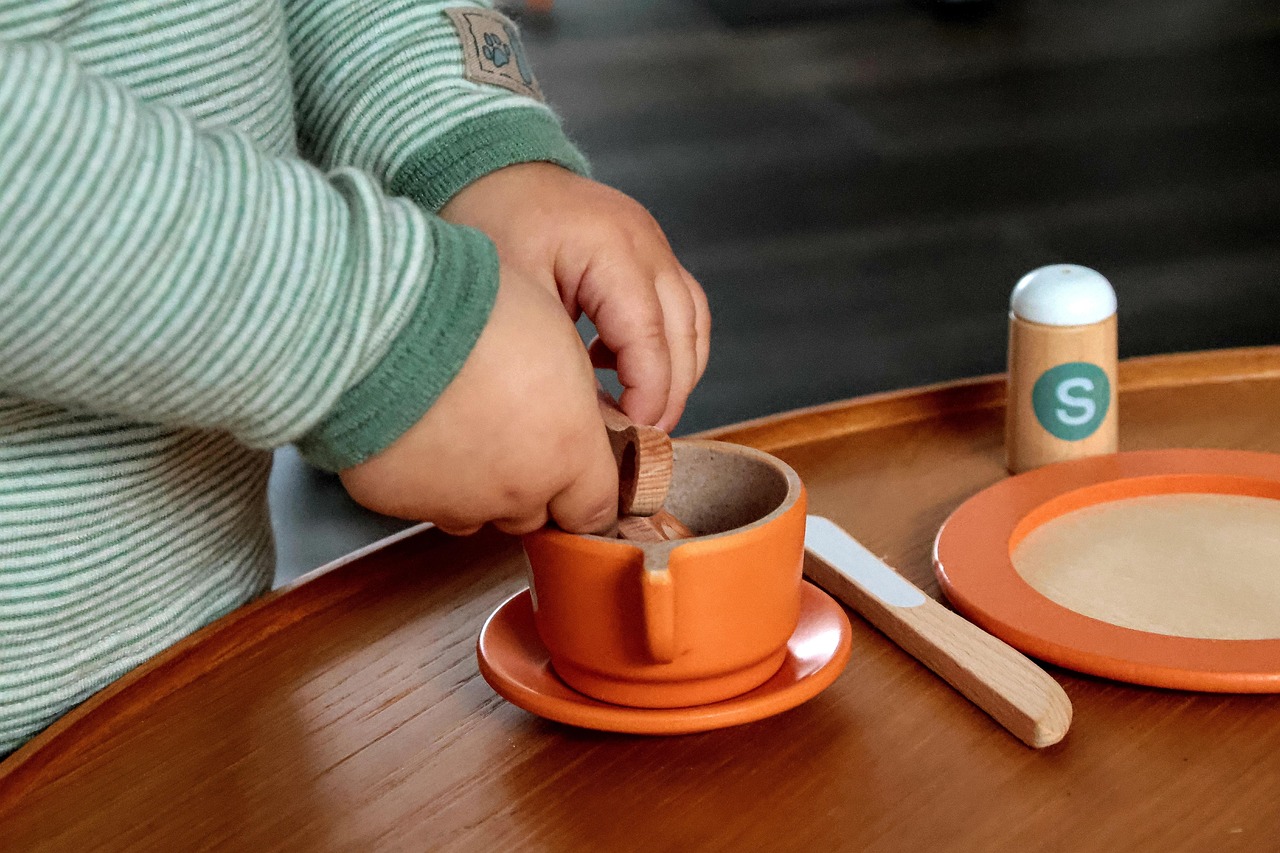
Children engage with carefully selected play materials in a safe and predictable environment. Therapeutic work often occurs through symbolic play, creativity, movement and relationship.
The therapist observes, reflects and responds in ways that support emotional awareness, regulation and relational development, while maintaining clear and consistent boundaries.
Learn More
Play therapy sessions are structured to support emotional safety and predictability. While sessions are child-led, the therapist remains actively engaged and responsive, supporting the child’s therapeutic process without directing or controlling play.
The Role of Parents and Caregivers
Play therapy is a gradual and supportive process that unfolds over time. Each child moves through therapy at their own pace, guided by their individual needs and experiences.
While every child’s journey is unique, play therapy generally follows a structure that begins with understanding the child and family’s needs, followed by regular therapeutic play sessions and ongoing collaboration with parents or caregivers.
Learn More
What does the play therapy process usually look like?
Play therapy typically begins with an initial intake consultation with the parent(s) or caregiver(s). This session focuses on understanding the child’s developmental history, current concerns, goals and determining whether play therapy is the most appropriate support.
This is followed by regular play therapy sessions with the child, usually on a weekly or fortnightly basis. During this phase, the child attends sessions independently and is supported through a consistent, child-centred therapeutic relationship.
Parent consultations are scheduled periodically throughout the process. These meetings provide an opportunity to discuss general themes emerging in the child’s play, share observations about progress and explore ways parents or caregivers can support their child at home.
The length of play therapy varies depending on the child’s needs, goals and circumstances. When the child has made progress toward their goals and feels ready, the therapy process moves toward a planned and supported ending.

Is Play Therapy Right for My Child?
An intake consultation provides an opportunity to discuss concerns, ask questions, and determine whether play therapy is the most appropriate support at that time. Alternative or additional supports may be recommended if needed.