Services
Grow & Thrive Play Therapy draws on established, evidence-informed play therapy approaches, including Child-Centred Play Therapy and Learn to Play Therapy. These approaches are grounded in research in child development, attachment theory and play-based intervention. They are tailored to support each child’s unique emotional and developmental needs.
Sessions are offered from a clinic space in Alfred Cove, alongside mobile services across Perth, including schools and early learning settings.
Learn to Play Therapy
Learn to Play Therapy is a developmentally informed, child-centred intervention designed for children who demonstrate no or low spontaneous pretend play skills and may not naturally enjoy or initiate play.
Learn More
Learn to Play Therapy is a developmentally informed, child-centred intervention designed for children who demonstrate no or low spontaneous pretend play skills and may not naturally enjoy or initiate play.
Pretend play is a complex form of play that supports social development, friendship formation, language skills, emotional regulation and flexible thinking. When these skills do not develop naturally, children may experience difficulty engaging with others, sustaining play or finding enjoyment in play experiences.
In Learn to Play Therapy, the therapist actively engages in play alongside the child, responding to the child’s interests and current play abilities to support the development of spontaneous pretend play. The aim is for children to become more confident and autonomous in their play, with skills that can be transferred to relationships with peers and across everyday environments.
Learn to Play Therapy is an evidence-informed model developed by Dr Karen Stagnitti to support the development of spontaneous pretend play skills in children.

Child Centred Play Therapy
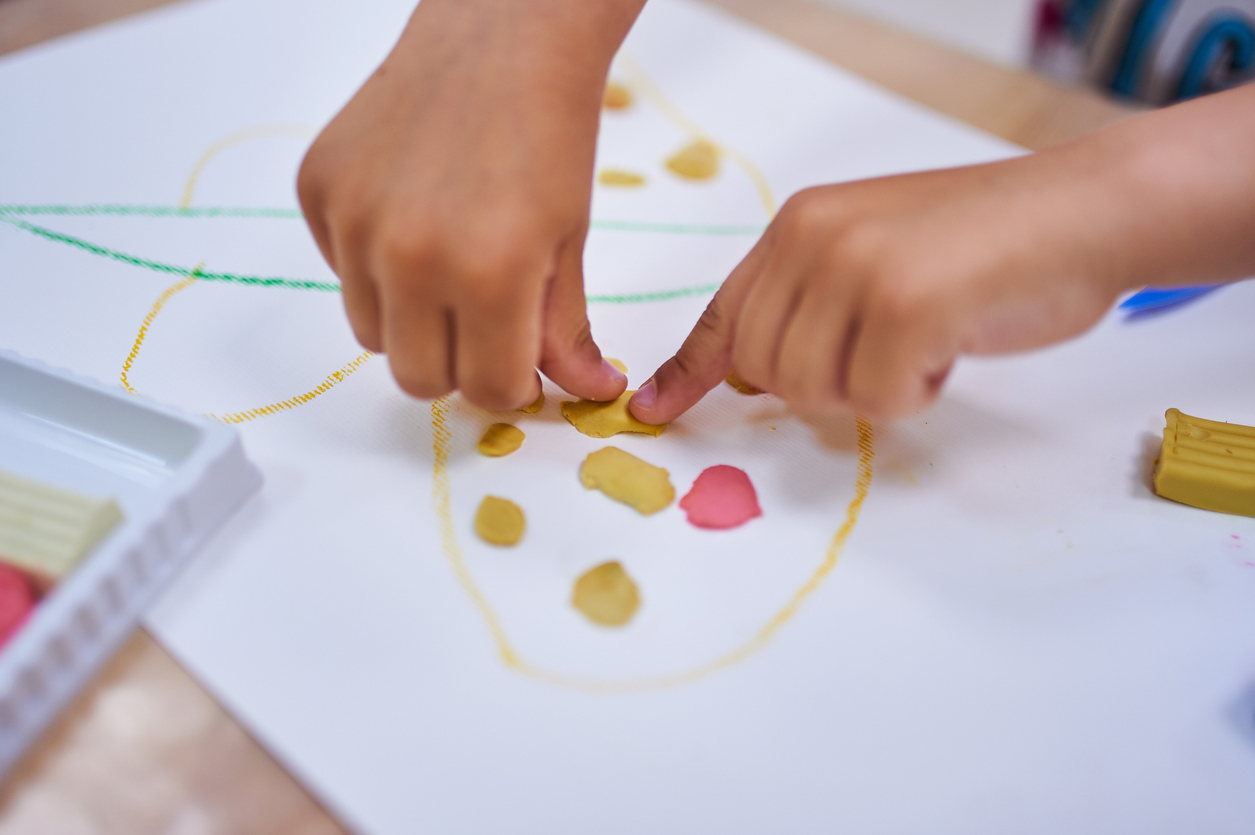
Child-Centred Play Therapy provides children with a safe and supportive environment where they can express themselves through play. The therapist offers carefully selected toys that encourage children to explore their thoughts, feelings and experiences in a way that feels natural to them.
Learn More
The therapist develops a strong therapeutic relationship with the child and follows the child’s lead in play, responding with empathy, understanding and acceptance. Within this supportive relationship children are able to explore their inner world, work through challenges and develop greater awareness of their feelings and experiences.
Through this process children are supported to grow emotionally, develop confidence and move toward positive change.
Filial Therapy
Filial Therapy is a form of family-based play therapy that strengthens the parent–child relationship. Parents or caregivers are supported by the therapist to hold special play sessions with their child using simple play therapy skills that help children feel understood, safe and connected. Through this process parents learn practical ways to respond to their child’s emotions, support their development and strengthen relationships within the family.
Learn More
In Filial Therapy, parents and caregivers work closely with the therapist as partners in the therapeutic process. The therapist guides parents in learning specific play therapy skills that support children’s emotional expression, communication and sense of safety.
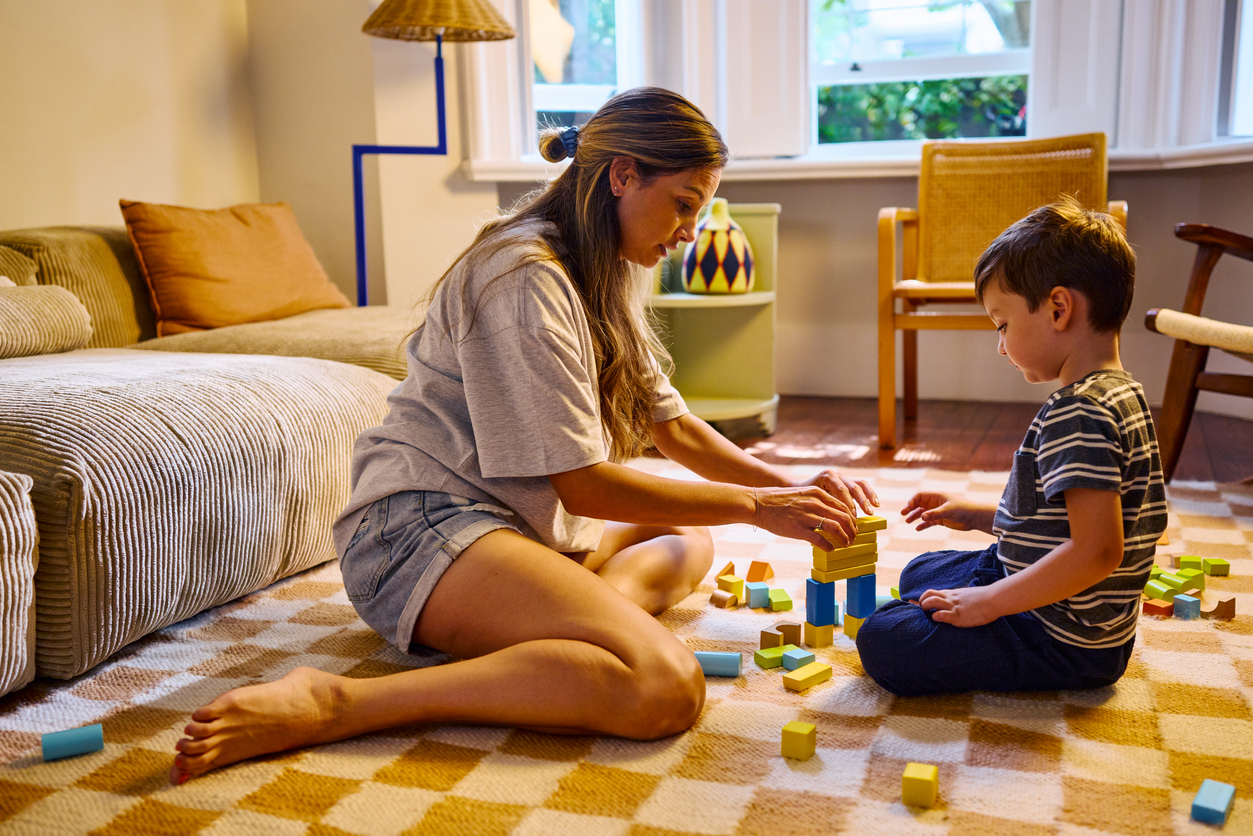
Parents are supported to hold regular “special play times” with their child, creating a predictable and nurturing space where the child can express themselves through play. After each session, parents reflect with the therapist and receive guidance that helps them build confidence in supporting their child.
Over time, these play sessions often move from the therapy setting into the home environment. As parents grow in confidence they continue using these skills in everyday interactions with their child, strengthening the parent–child relationship and supporting the child’s emotional development.
The core play skills parents learn include:
• Structuring
• Empathic listening
• Imaginative play skills
• Limit setting
Integrative Play Therapy
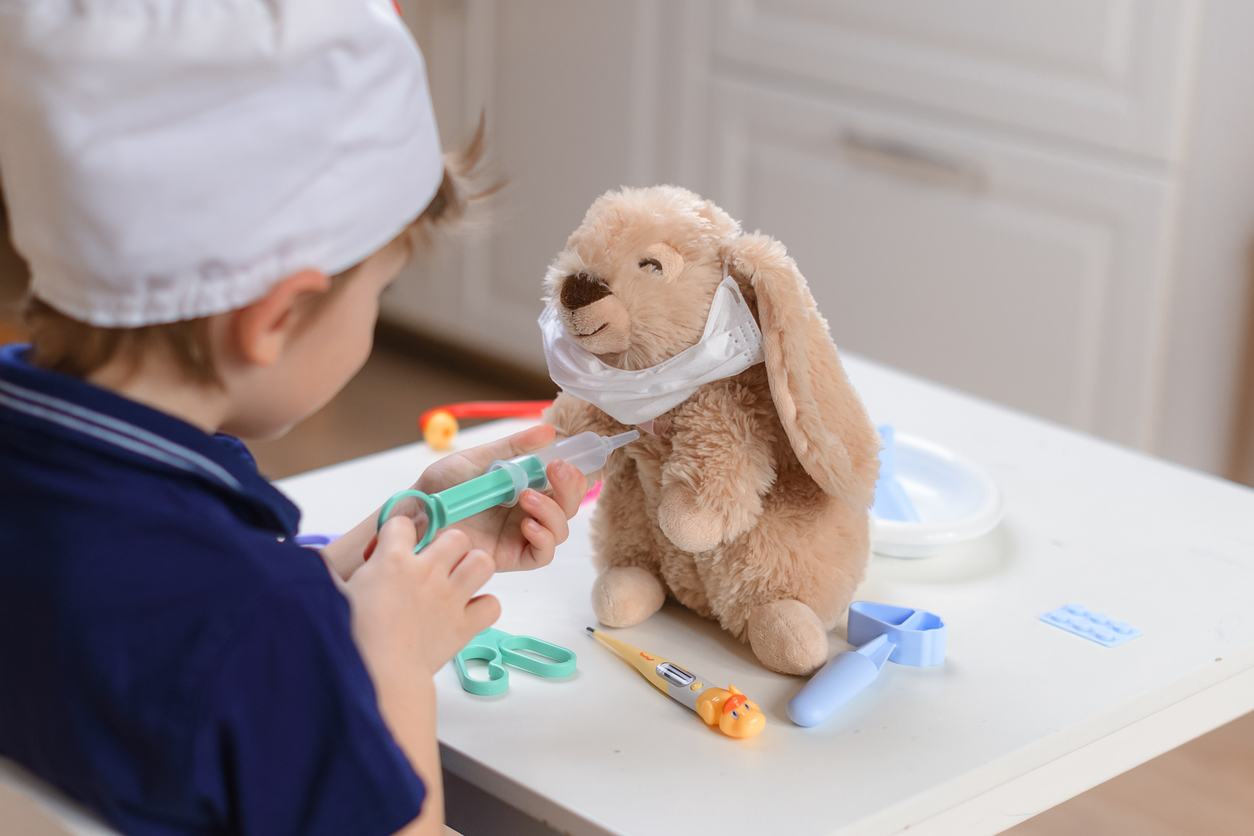
Integrative Play Therapy is a flexible, evidence-informed approach that draws on different play therapy methods depending on each child’s needs. Every child is unique, so therapy is thoughtfully adapted to support their emotional, developmental and relational needs.
Learn More
Integrative Play Therapy allows the therapist to draw on a range of play therapy approaches when supporting a child. Rather than following one model, the therapist considers the child’s developmental stage, emotional needs and therapeutic goals when planning and guiding sessions.
At times the therapist may follow the child’s lead in play, allowing the child to express thoughts and feelings through their natural language of play. At other times the therapist may introduce more structure, modelling or gentle guidance to support the child in developing new skills, understanding emotions or working through challenges.
This flexible approach allows therapy to be tailored to each child, supporting their growth in a way that is responsive to their individual needs.